Hey there, if you’re working with stainless steel pipe bellows, you know how annoying a leak can be—whether it’s in a HVAC system, industrial piping, or even a water processing setup. I’ve been supplying stainless steel pipe bellows for over 10 years now, and I’ve seen my share of preventable leaks. Most of the time, leaks don’t happen because the material is bad; they come from tiny mistakes people make during installation, maintenance, or even when picking the wrong product for the job. Today, I’m breaking down exactly what you can do to keep your bellows leak-free, based on what I’ve learned from hundreds of installations and client questions.
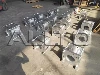
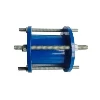
First off, let’s start with the basics: choosing the right bellows for your specific piping setup. I can’t tell you how many times clients come to me with a leak because they grabbed a one-size-fits-all bellows that doesn’t match their system’s needs. For example, if your piping needs a tight flange connection, you’ll want something built for that. Check out our Flange Connector Corrugated Stainless Steel Bellows – these are designed to line up perfectly with standard pipe flanges, so you don’t get gaps that lead to leaks. But wait, flanges aren’t the only option. If your system needs more flexibility for movement without extra flanges, our Flexible Bellows for Piping are a solid pick. They’re made to handle axial, lateral, and angular movement, which means less stress on the pipe joints over time.
Another key point when choosing is making sure the bellows can handle your operating conditions. If you’re working with high temperatures, corrosive fluids, or high pressure, a standard stainless steel might not cut it. For instance, some industrial applications need a bellows with thicker walls or a different alloy to resist chemical corrosion. I once had a client who used a basic 304 stainless steel bellows in a chemical processing line – it corroded within six months and started leaking. We swapped it for a 316 stainless steel version, and that issue went away. Also, don’t forget to check the pressure rating: if your system runs at 150 PSI, a bellows rated for 100 PSI will definitely fail, and that’s a leak waiting to happen.
Next up, installation mistakes are the number one cause of bellows leaks. Even the best bellows won’t hold if you install them wrong. Let’s walk through the most common slip-ups I see, and how to avoid them. First, pipe alignment. When you’re connecting the bellows to the existing piping, you have to make sure the pipes are perfectly aligned – no offset, no angular misalignment. If you force a misaligned pipe onto the bellows, you’ll put constant stress on the corrugations, which can cause small cracks over time, leading to leaks. I always tell clients to use a laser level to check alignment before tightening any bolts, especially with flanged connections like our CS Flange Metal Expansion Bellow – these have precision-machined flanges, so forcing alignment messes up their design.
Then there’s bolt tightening. It might seem like just turning bolts until they’re tight, but that’s a fast way to break the flange or cause a leak. You need to tighten the bolts in a crisscross pattern, not just in a circle around the flange. This evens out the pressure across the flange faces, so you don’t get gaps between the gasket and the flange. If you over-tighten a single bolt, you’ll warp the flange, which leads to leaks too. I recommend using a torque wrench here – follow the manufacturer’s specs for your specific bellows, whether it’s the Axial Expansion Joints or another model. For most 4-inch flanges, that’s around 150-200 ft-lbs, but always double-check.
Gaskets are another installation detail that’s easy to overlook, but super important. If you use the wrong gasket, or install it incorrectly, you’ll get a leak. Make sure the gasket is made for your fluid type – for example, don’t use a rubber gasket with hot steam, since it will degrade quickly. Also, don’t stretch the gasket when placing it between the flanges, and make sure it’s centered so it doesn’t get pinched. Pinching the gasket creates small tears that let fluid seep out. I’ve had clients use a generic gasket and end up with leaks, then switch to a metal or PTFE gasket (depending on the application) and fix the issue immediately.
Once the bellows is installed, maintenance is what keeps leaks from popping up later. A lot of people think metal bellows are “set it and forget it,” but that’s not true – especially if the system is in a harsh environment. Let’s talk about regular checks. First, inspect the bellows for any visible damage: dents, cracks, corrosion, or loose connections. Dents might not seem like a big deal, but they can weaken the corrugations over time, making them prone to rupturing. If you have a bellows with covers, like our Metallic Pipe Expansion Joint With Covers, make sure the covers are intact too – they protect the bellows from debris, dirt, and direct impact, which can cause dents or scratches.
Then, check for movement and pressure. Bellows are designed to absorb thermal expansion and movement, but if the movement is more than what they’re rated for, that causes stress and leaks. Keep an eye on the piping around the bellows – if pipes are rubbing against each other, or if the bellows is stretched or compressed beyond its limit, that’s a problem. I once had a client whose HVAC system had pipes expanding too much in the summer, and the bellows couldn’t handle it – it started leaking at the flange. We adjusted the pipe supports to give the bellows more room to move, and that fixed it. Also, check pressure regularly with a gauge – sudden pressure spikes can damage the bellows, so if you notice spikes, install a pressure relief valve to protect it.
Corrosion is another maintenance issue to watch for. Even stainless steel can corrode if it’s exposed to harsh elements – saltwater in marine applications, acidic fluids, or even just constant moisture in a poorly ventilated space. To prevent this, make sure the bellows is properly sealed, and if it’s in a corrosive environment, consider a higher-grade stainless steel (like 316) or a protective coating. I’ve seen industrial plants clean their bellows annually with a mild acid solution to remove built-up scale or corrosion, which keeps them working longer and prevents leaks.
Wait, let’s also talk about pressure testing after installation. A lot of clients skip this, but it’s a quick step that can catch leaks before the system goes live. After installing the bellows, pressurize the system with water or air (follow the manufacturer’s specs) and check for any drips or drops in pressure. If you find a leak right away, you can fix it without shutting down the whole system later. I always suggest pressure testing – it’s saved so many clients from costly emergency repairs.
I should also mention that sometimes leaks aren’t the bellows itself – they’re in the connected pipes or flanges. Don’t just assume the bellows is the problem. Check the pipe threads, welds, and flanges for cracks or gaps. A few years back, a client came to me saying their bellows was leaking, but it turned out the pipe next to it had a small weld crack. We fixed the weld, and the bellows was fine. So, do a full check of the area around the bellows when you find a leak.
At the end of the day, preventing leaks with stainless steel pipe bellows is about attention to detail: picking the right product, installing it correctly, and maintaining it regularly. I’ve spent years refining these steps, and they’ve worked for hundreds of my clients across industries. If you’re not sure which bellows is right for your setup – whether you need a flange connector type, flexible piping bellows, or something else – feel free to reach out for a chat. I’m here to help you pick the perfect product, avoid costly leaks, and keep your system running smoothly. Don’t hesitate to connect with me to discuss your specific piping needs and find the right solution for you.
References:


- Stainless Steel Pipe Bellow Installation Guidelines, Industrial Fluid Systems Journal, 2022
- Corrosion Resistance of Stainless Steel Bellows for Industrial Applications, Journal of Materials Engineering and Performance, 2021
- Expansion Joint Selection and Maintenance Best Practices, Piping & Equipment Magazine, 2023
- Leak Prevention in Metal Pipe Connections, HVAC Engineering Quarterly, 2022