


Stainless Steel Bellows Cracking & Leakage: Common Causes & Troubleshooting
Stainless steel bellows expansion joints can suffer cracks and medium leakage after long-term operation. Such faults disrupt pipeline transportation and may trigger safety risks. Summarized from abundant on-site engineering cases, below are typical failure causes for inspection and preventive measures.
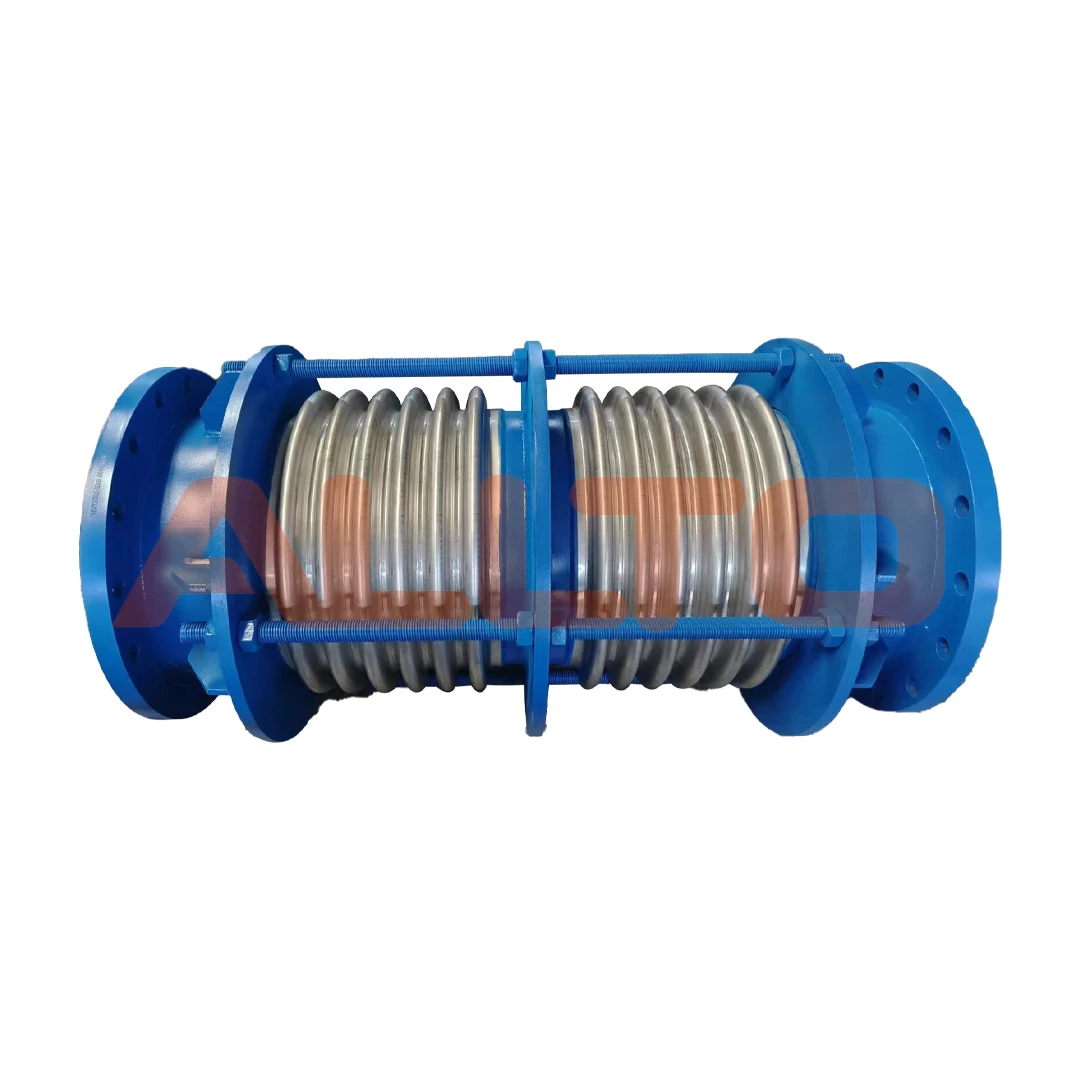
Mismatched Selection
This is the leading cause of failures. Many bellows are chosen without matching actual working conditions. Common issues include insufficient pressure and temperature ratings. When handling corrosive fluid with acid, alkali or chloride ions, 304 stainless steel is used instead of 316L. If the required displacement is underestimated, the bellows keeps working under extreme stretch or compression. Persistent overstress will slowly induce cracks.
Fatigue Damage
Continuous vibration from pumps and machinery causes repeated deformation of bellows. Cyclic load leads to fatigue cracks, mostly emerging at the curved transition of corrugations. Minor leaks appear at first and expand quickly. Service life drops sharply without vibration damping solutions under frequent vibration.
Corrosion Attack
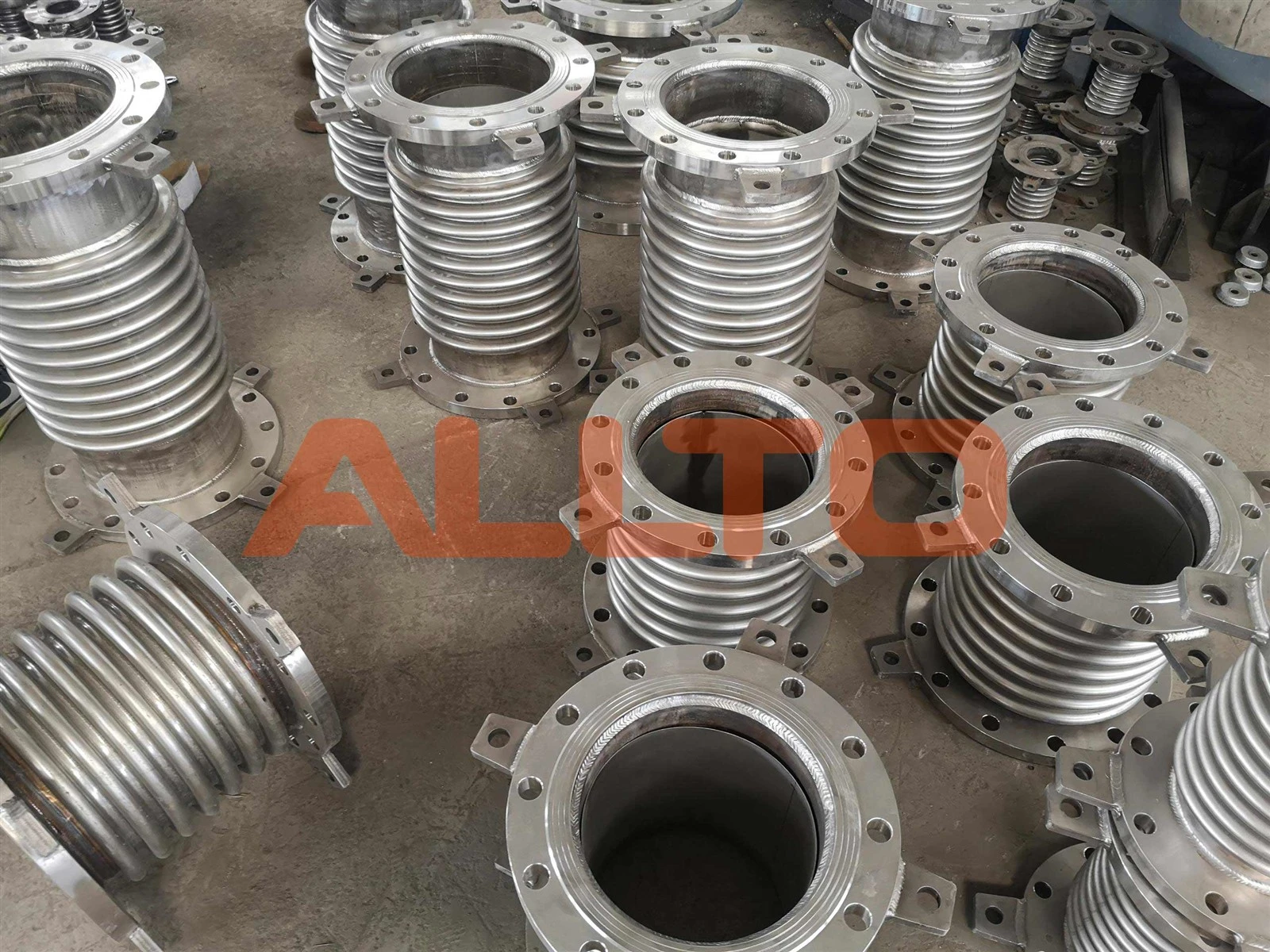
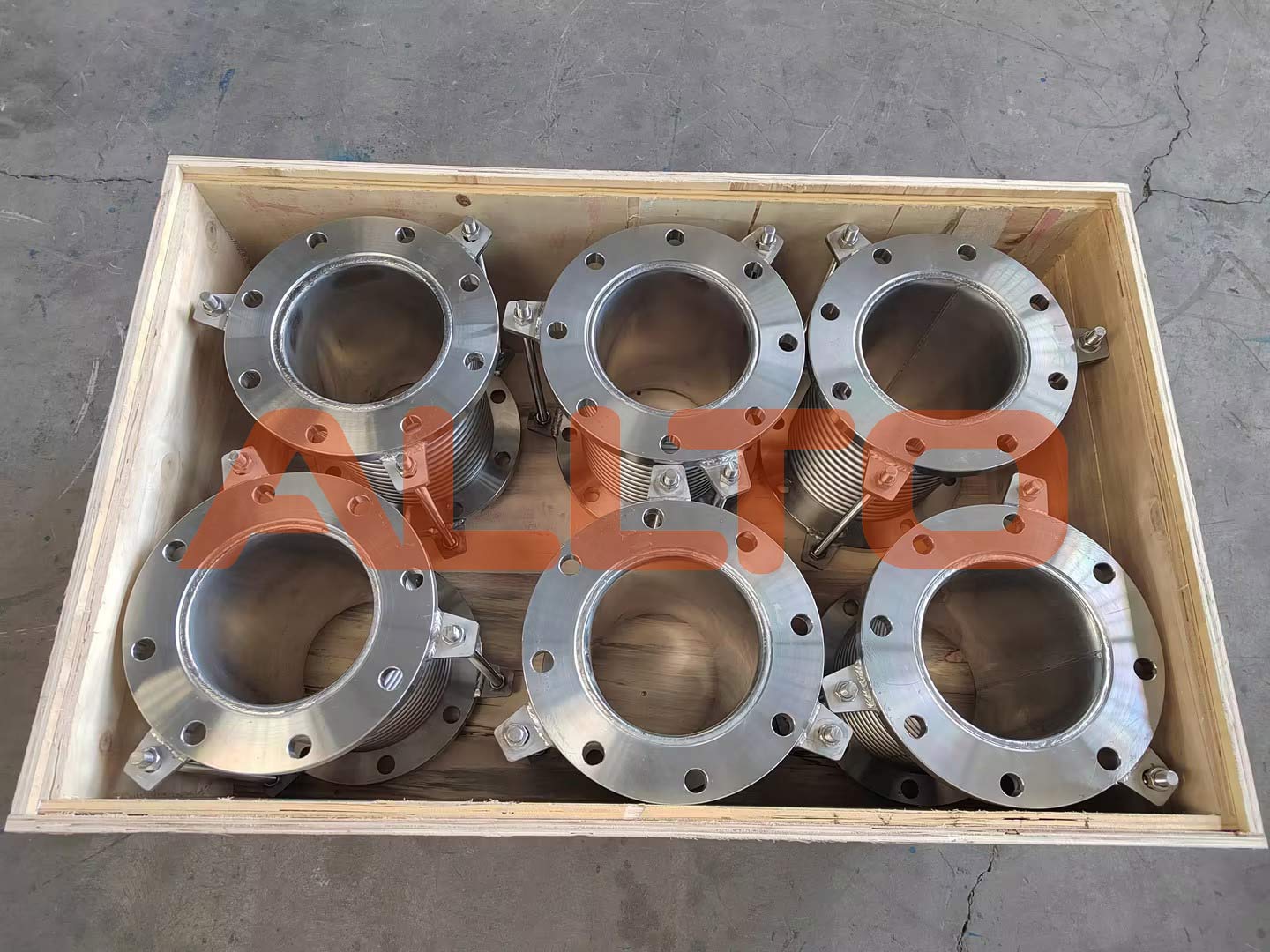
Chloride ions from coastal salt mist, chemical media and sewage cause pitting corrosion and intergranular corrosion. Internal scaling and stagnant liquid trigger local electrochemical corrosion, thinning pipe walls until perforation. Unprotected bellows are also vulnerable to external corrosion from rain and chemical splashes.
Pressure Shock & Physical Impact
Water hammer and air hammer create instantaneous pressure spikes far exceeding design pressure, piercing the bellows wall. Bumps and scratches during construction and maintenance produce dents and invisible microcracks, which develop into leakage after startup.
Manufacturing Defects
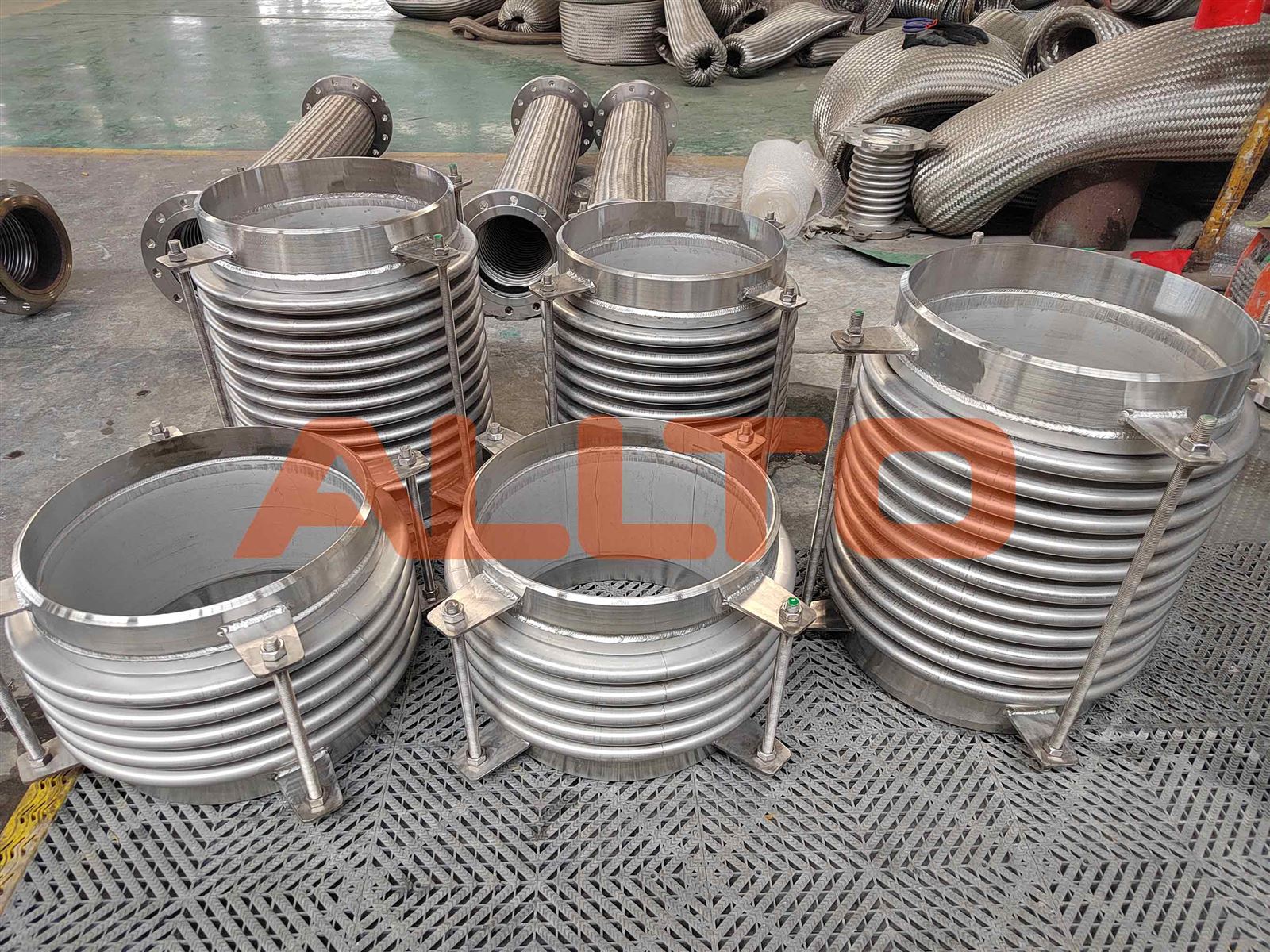
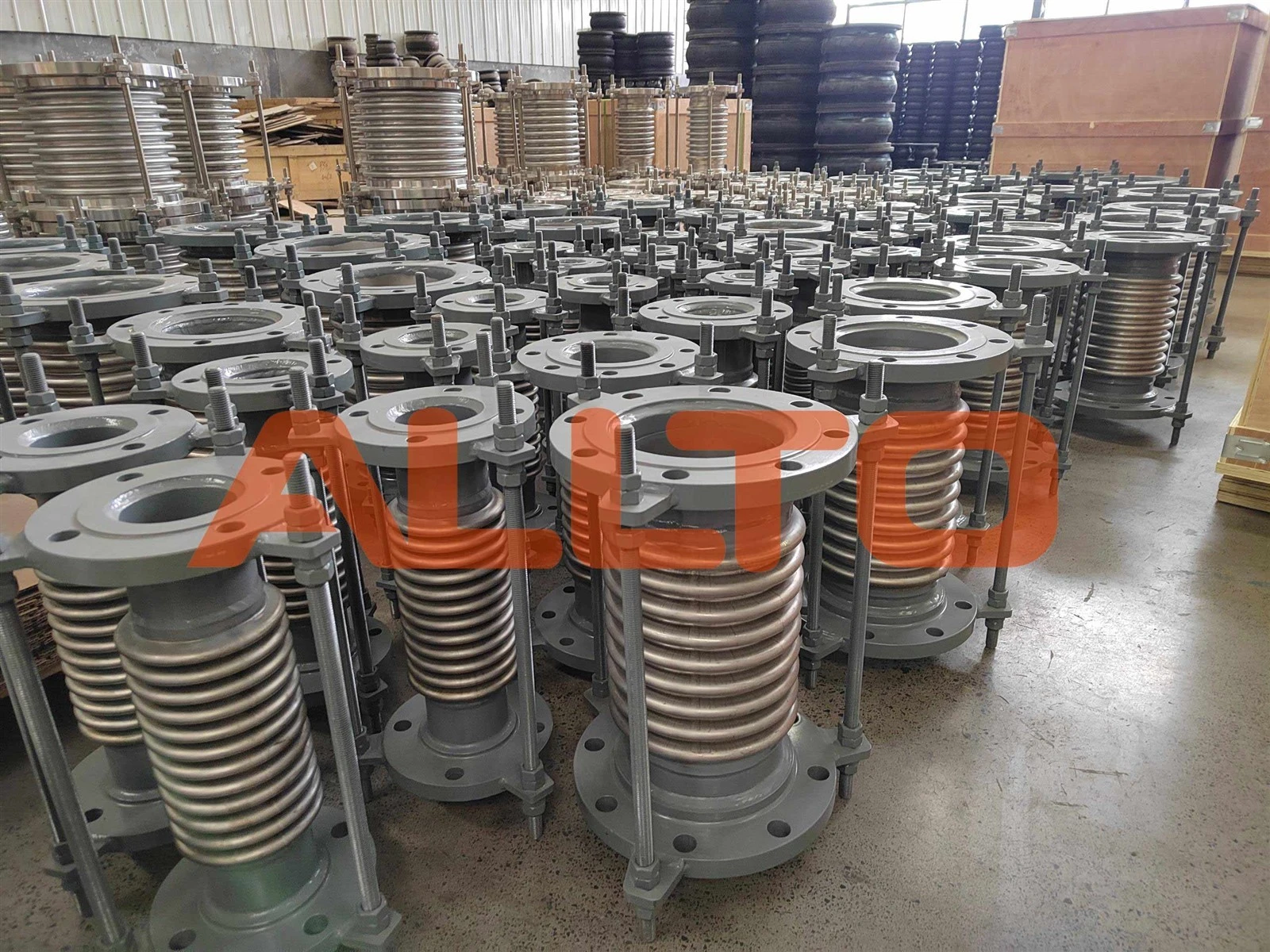
Hidden factory flaws include impure raw materials, uneven wall thickness after corrugation forming, and poor welds with pores and microcracks. These defects worsen gradually under continuous operating loads and eventually cause leakage.
Improper Installation
-
Forced assembly and misaligned connection introduce permanent residual stress on bellows.
-
Missing guide supports and fixed anchors result in lateral shift and torsion driven by internal pressure thrust.
-
Unshielded welding spatter scorches the corrugated surface and forms hidden damage.
-
Limit stops remain locked improperly, restricting normal displacement compensation.
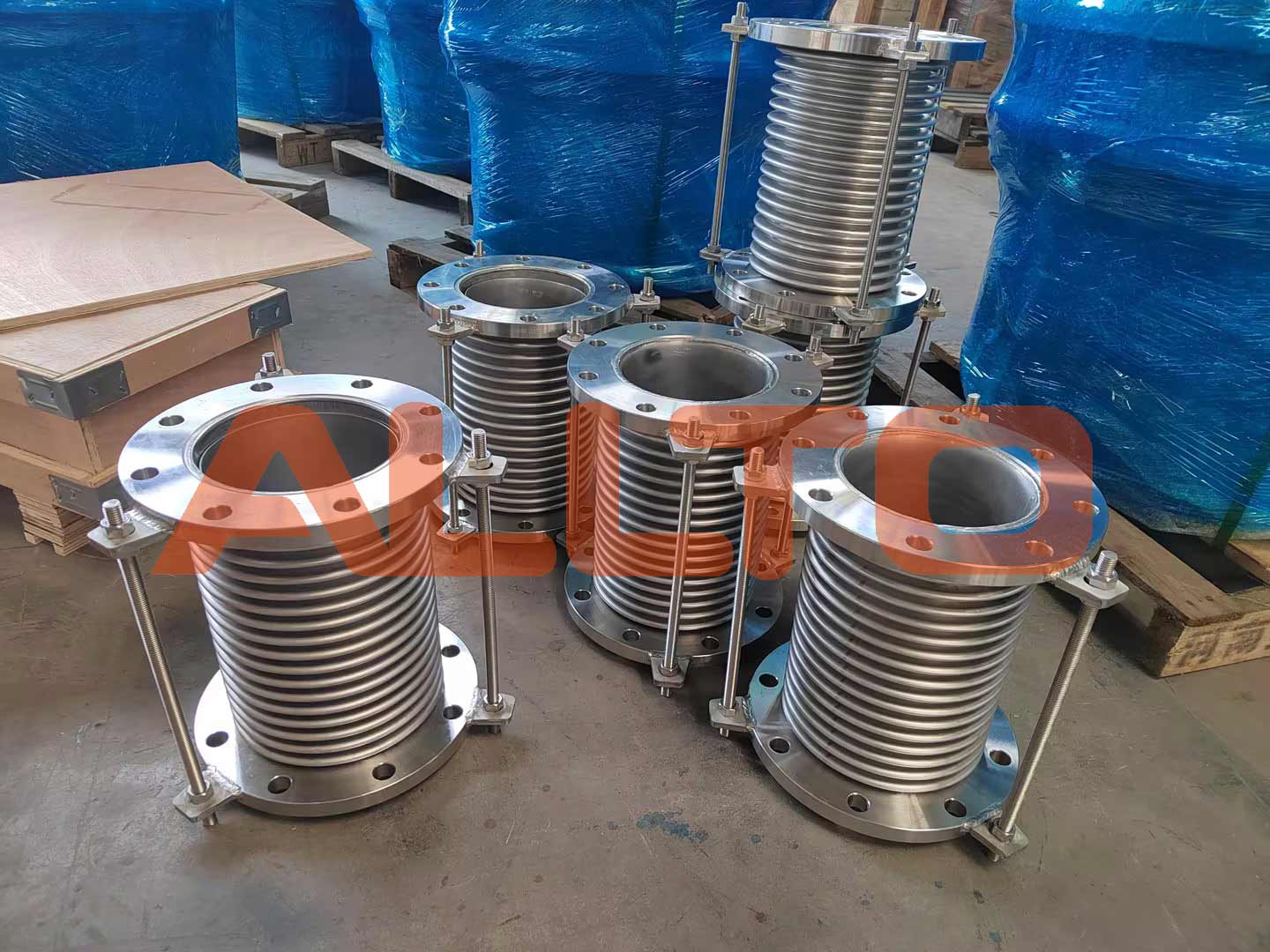
Most cracking and leakage are not merely quality problems. They arise from a combination of incorrect selection, unreasonable support layout, non-standard installation and corrosive environments. Accurate model selection, standardized construction, proper pipe support arrangement and regular inspections can greatly lower failure rates.


