


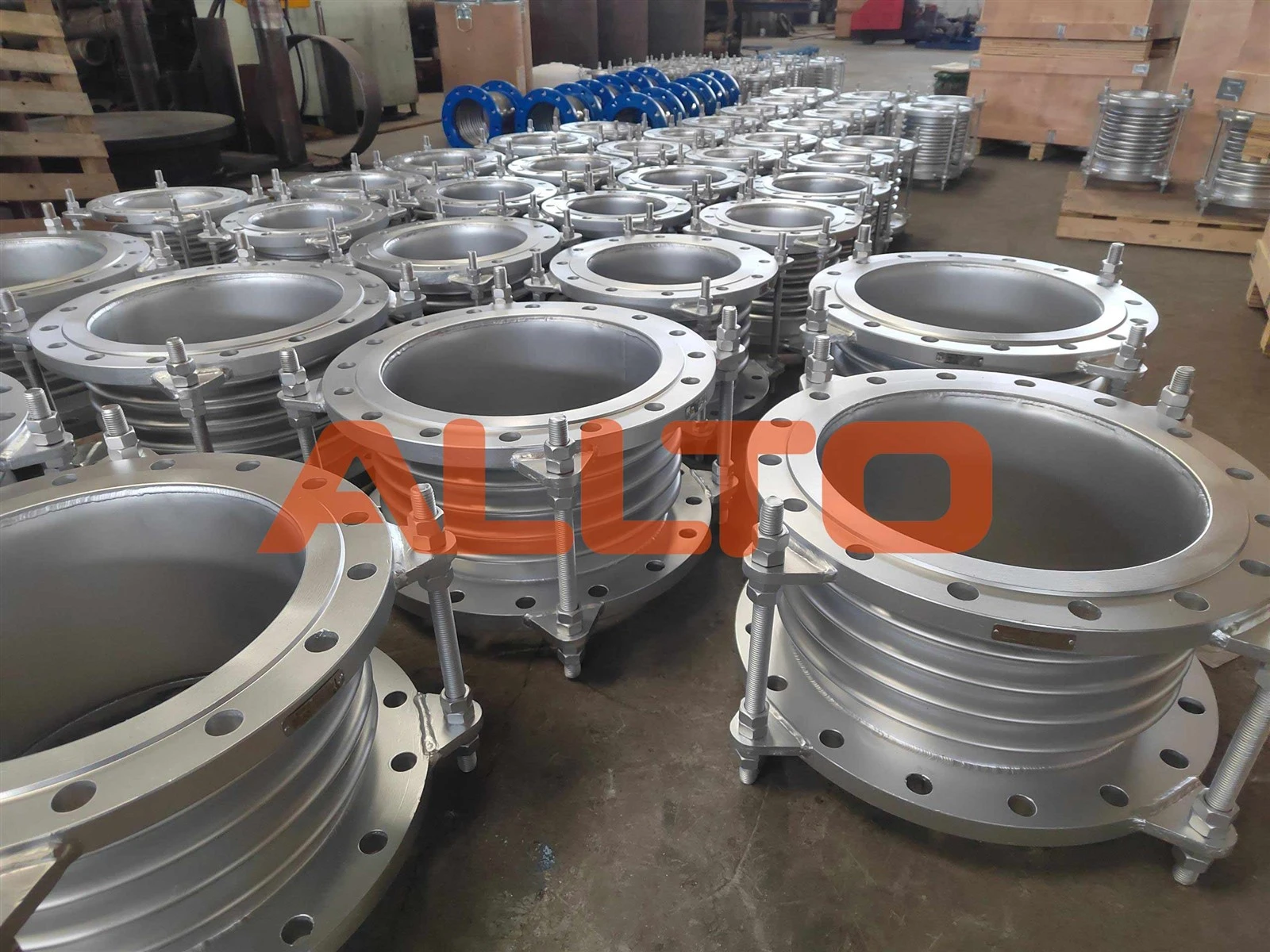
We've seen many projects run into avoidable trouble just from picking the wrong flexible pipe fittings. Engineers often mix rubber joints and stainless‑steel bellows, only to face pipe vibration, unexpected leaks or early part failure once the system goes live. No single product works for every job. Your actual site conditions will always drive the right choice. Apart from these two main items, PTFE‑lined rubber joints and force transfer joints also solve very specific field problems. Getting this right helps you avoid rework and keep costs under control.
For standard municipal water lines, wastewater plants and pump stations, rubber expansion joints are our go‑to option. They absorb vibration really well, stopping pump noise and shake from travelling through the whole pipe network. They also handle small thermal shifts and minor installation misalignment without hassle. These work best for normal temperature and medium‑pressure systems.
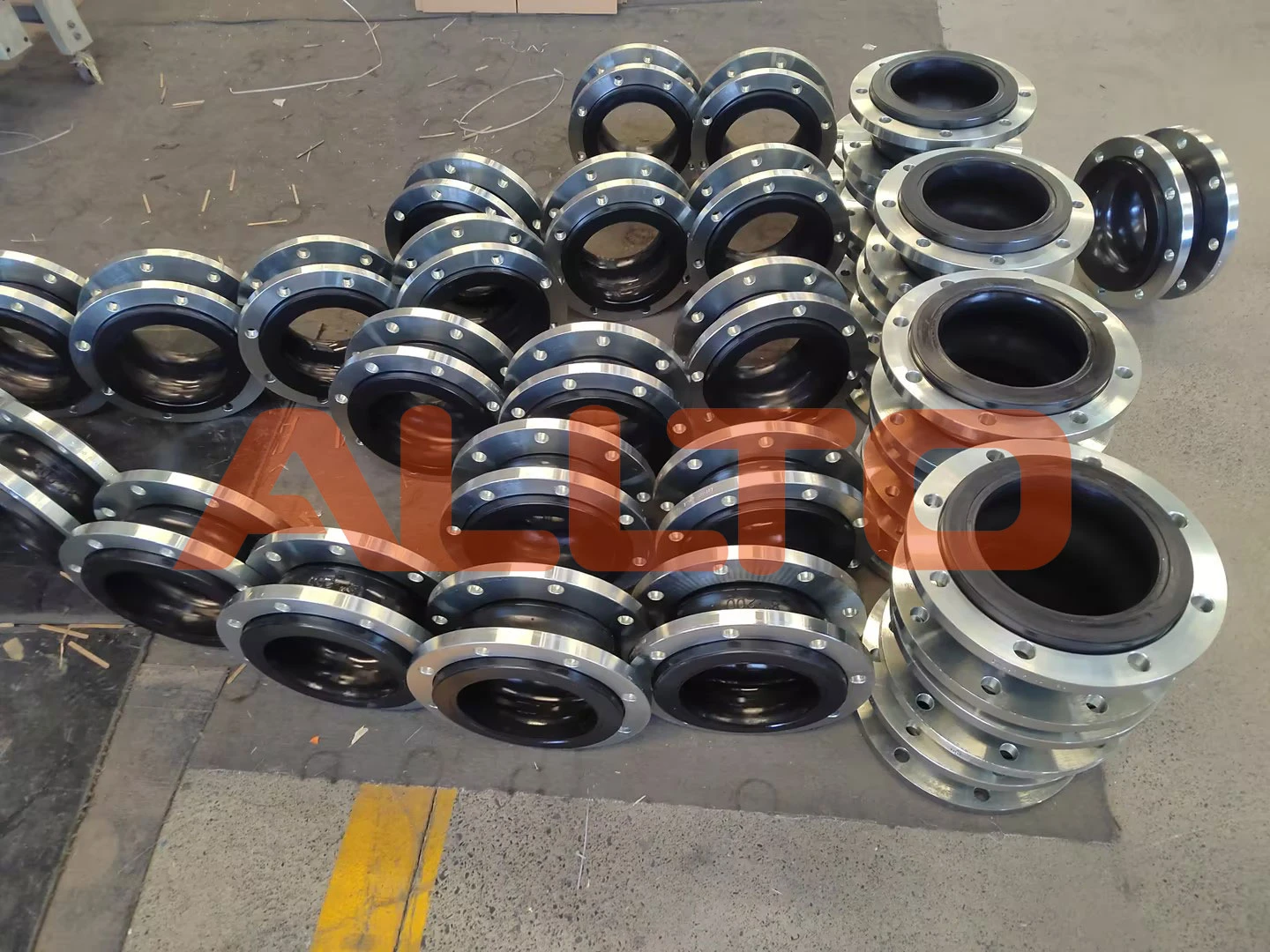
If you're dealing with acids, alkalis or harsh chemical wastewater, regular rubber will swell and fail fast. Switch over to PTFE‑lined rubber joints. The inner teflon layer keeps corrosive fluids away from rubber material and extends service life significantly.
Rubber fittings hit their limits with steam, high heat or heavy pressure. That is where stainless steel bellows come in. Built for tough thermal and pressure loads, these metal units take large thermal movement inside heating and process pipelines. They hold up in harsh industrial environments, yet do very little when it comes to vibration damping.
One item many teams overlook is the force transfer joint. Fit these near pumps and valve connections. They carry axial thrust away from expensive equipment, protecting pumps, valves and instruments from pipe‑pull damage. They also make later repair and part replacement far simpler, common on large municipal and industrial piping layouts.

Quick practical tip when you specify:
‑Use rubber joints for regular‑temp sewage lines where vibration control matters
‑Choose PTFE‑lined units for corrosive media
‑Go for stainless steel bellows on high‑temperature, high‑pressure thermal piping
‑Add force transfer joints to shield equipment and ease future maintenance
Match temperature, working pressure, fluid media and installation environment, you will cut unexpected breakdowns and lower long‑term maintenance work.


