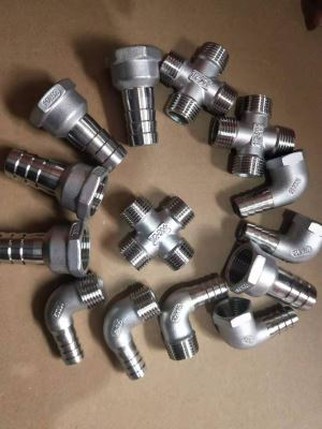

Rubber joint is an elastic joint used to connect pipelines, which has good characteristics such as pressure resistance, wear resistance, corrosion resistance, and high temperature resistance. In the selection of rubber joints, there are two common types: ordinary rubber joints and PTFE lined rubber joints. Next, let's take a look at the differences between these two types of rubber joints.


1. Different materials The main material of ordinary rubber joint is rubber, which is usually made of natural rubber, Butyl rubber, Neoprene and other materials. The PTFE rubber joint is lined with a layer of PTFE material inside the rubber, which has better corrosion resistance.
2. Different from ordinary rubber joints, their corrosion resistance is relatively poor and can only be applied to some general media such as water, oil, gas, etc. The PTFE lined joint has better corrosion resistance and can be applied to some highly corrosive media, such as acid, alkali, salt, etc.
3. The applicable temperature range for ordinary rubber joints is relatively narrow, usually between -40 ℃ and 80 ℃. The PTFE lined joint has a wider temperature range and can be used between -60 ℃ and 200 ℃.
4. Price difference: Due to the better corrosion resistance and wider temperature range of PTFE lined joints, the price is relatively high. The price of ordinary rubber joints is relatively low.
In summary, ordinary rubber joints and PTFE lined rubber joints have their own advantages and disadvantages, and suitable rubber joints should be selected based on the specific usage environment and medium. If the medium has strong corrosiveness or high temperature, it is recommended to choose a PTFE lined joint to ensure the safe operation of the pipeline.